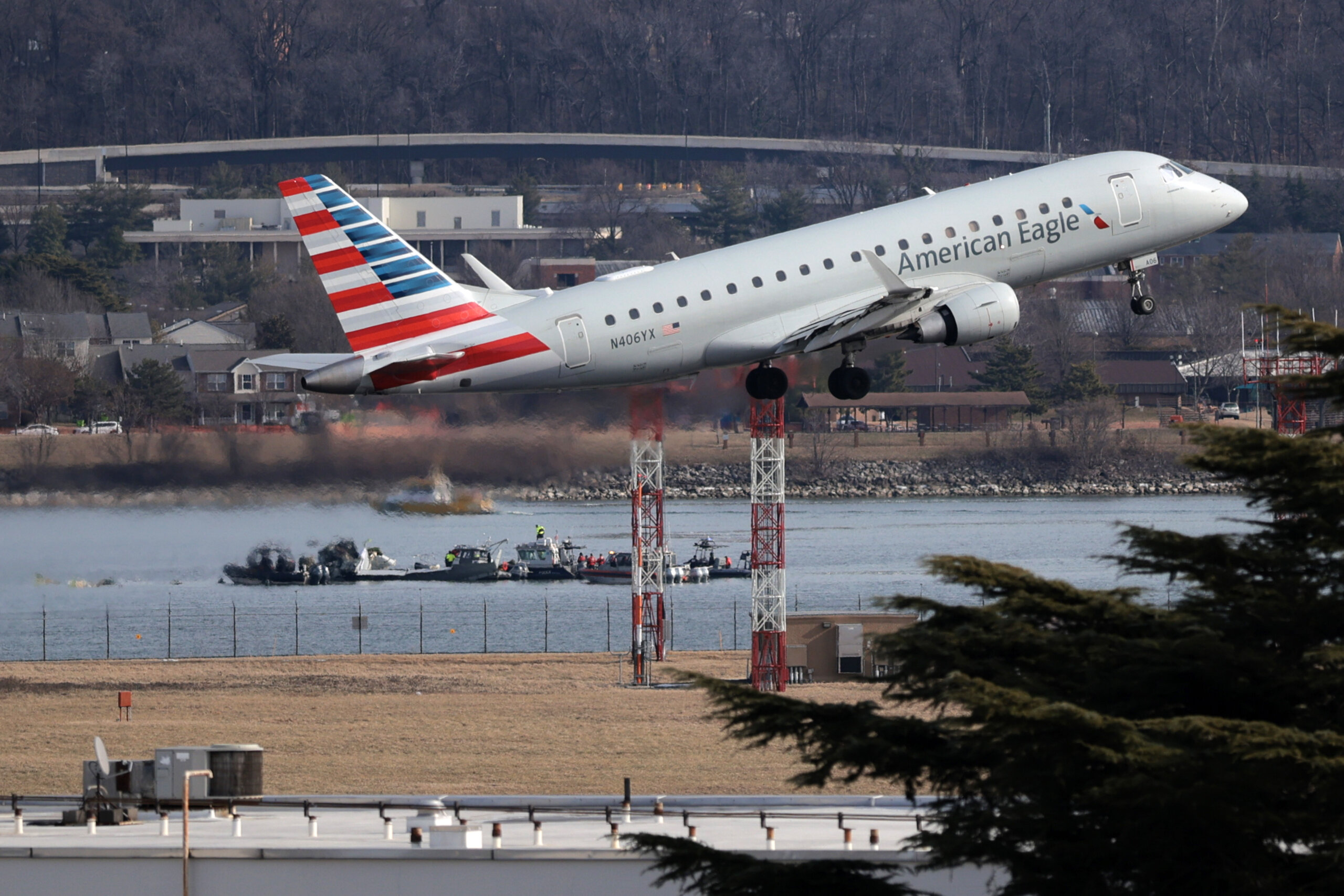
An aviation safety reform has been introduced around the busiest airports in the United States, following a tragic midair collision in 2025 that resulted in the deaths of 67 people. The Federal Aviation Administration (FAA) has suspended the use of visual separation between aircraft and helicopters in this airspace, including around Reagan National Airport, BWI Thurgood Marshall, and Dulles International.
The new regulations mandate that helicopters in these zones are to be under radar control, replacing the previous "seek and avoid" method that relied heavily on pilots visually detecting nearby aircraft. This change is intended to reduce human error and improve coordination among air traffic controllers and pilots.
Jeff Guzzetti, a former safety investigator for the FAA and NTSB, stated,
"I think it makes things safer because now the helicopter pilots have help. They have a team of controllers who are monitoring them and giving them specific instructions. No more ‘see and avoid.’ That’s the philosophy that came into play on the night of the midair collision. Now all helicopters will have to be under radar control, and I think that is going to make things safer."
Following the incident, the NTSB investigated the circumstances leading to the crash, which involved a Black Hawk helicopter and an American Airlines flight. The report indicated that reliance on visual separation contributed to the accident, especially under the challenging visual conditions at night and in crowded urban airspace. The crash prompted calls for legislative reforms to enhance aviation safety across the national airspace system.
Officials and families affected expressed support for these updates, emphasizing the importance of proactive safety measures. U.S. Transportation Secretary Sean Duffy underscored ongoing efforts, stating,
“Since then, we’ve implemented numerous changes to protect the skies over our capital and keep the public safe. The safety team at the FAA has identified the need for enhanced protocols at all airports across the National Airspace System.”
Overall, the reforms reflect a significant step in American aviation safety, aiming to prevent future tragedies through technological enhancements and stricter protocols.

