BREAKING: Airbus Issues Emergency A320 Recall After Flight-Control Fault; Airlines Temporarily Ground Jets Worldwide
BREAKING: Airbus Issues Emergency A320 Recall After Flight-Control Fault; Airlines Temporarily Ground Jets Worldwide
Trending
|
11 months ago
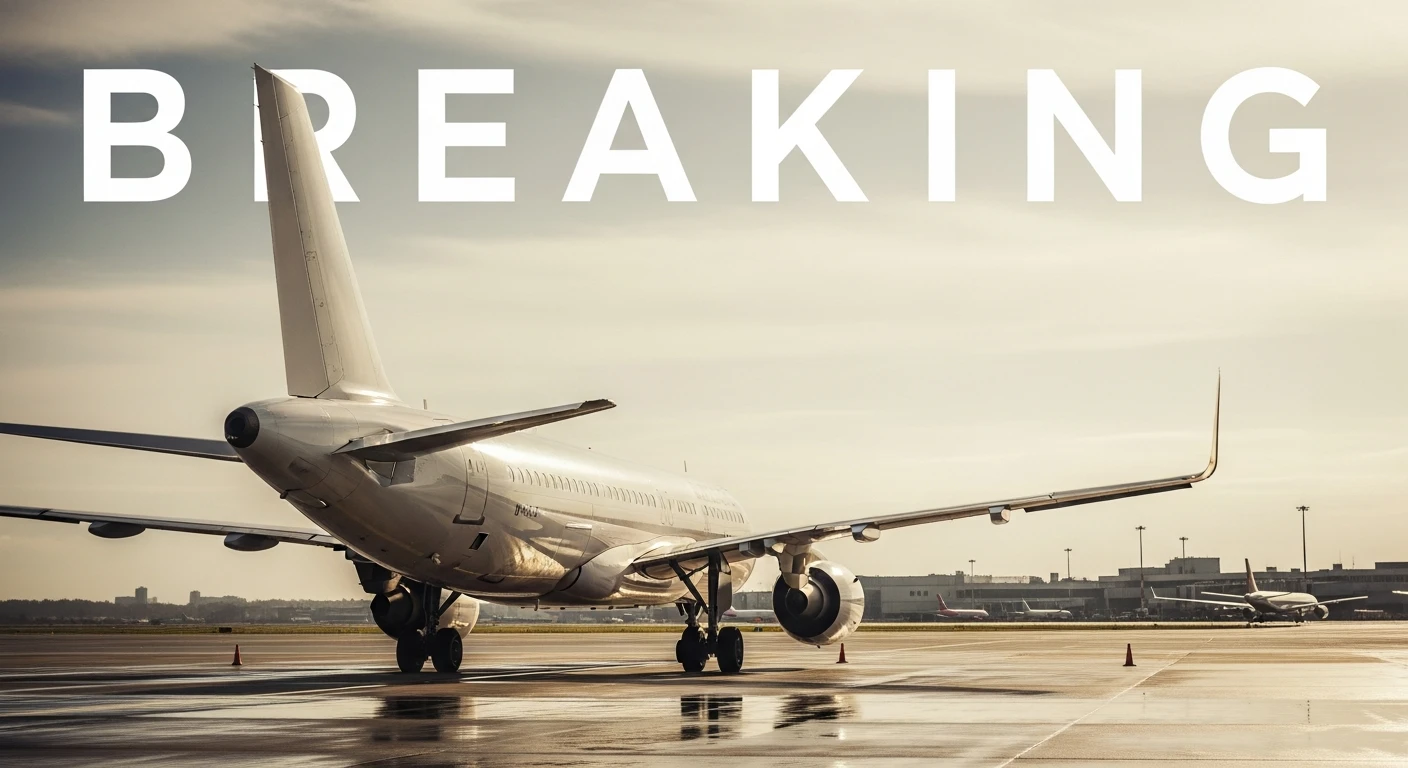
A320 Recall Sparks Global Airline Disruptions
Airbus has issued an emergency global recall affecting its A320-family aircraft after a serious flight-control malfunction was reported during routine operations. The recall prompted immediate safety checks and temporary groundings across multiple major carriers, with Wizz Air, Brussels Airlines, AirAsia and several others confirming that parts of their fleets will briefly remain out of service. The affected aircraft include A319, A320 and A321 variants—one of the most widely used fleets in global aviation. While the incident involved a specific sequence of flight-control inputs, regulators and Airbus have taken a zero-risk approach, advising operators to suspend flights until a verified software update is installed.
Passengers Told Not to Panic
Aviation authorities and airlines have emphasized that the public should not panic. The recall is precautionary and designed to prevent any repetition of the anomaly. Safety systems on modern Airbus aircraft are layered, redundant and designed to detect faults early. Officials stress that there have been no accidents or injuries linked to the issue. The rapid disclosure, immediate operational response and coordinated global communication are all indicators of a functioning safety system—not a crisis. Travellers can expect some delays and cancellations, particularly on short-haul routes, but airports and airlines are redirecting aircraft, reallocating crews and working to stabilize schedules as quickly as possible.
Wizz Air, Brussels Airlines, AirAsia and Others Impacted
Wizz Air, one of Europe’s largest operators of the A320neo family, has temporarily grounded specific aircraft configurations pending the software fix. Brussels Airlines, which relies heavily on A320-series jets for European and regional services, has pulled several aircraft from today’s rotation. In Asia, AirAsia—known for having one of the world’s largest A320 fleets—has implemented an immediate but phased grounding, ensuring essential routes remain covered while aircraft undergo the update. Additional operators in the Middle East, South America and North America are also following Airbus guidance, though impacts vary by fleet size and operational flexibility. These carriers represent a significant portion of global A320 operations, making the recall one of the most consequential in recent years.
Software Fix Expected to Be Installed Within Hours
Despite the scale of the recall, the solution is straightforward: a mandatory flight-control software patch that Airbus has already distributed to airlines. Most installations can be completed within one to two hours per aircraft. Unlike mechanical inspections—which can take days or weeks—the digital nature of modern avionics allows rapid deployment. Airlines are operating technical teams around the clock to update systems, verify compliance and return aircraft to service by the end of the day in many regions. Early indications suggest the majority of grounded aircraft will be operational again before the next full schedule cycle, minimizing long-term disruption.
What Caused the Flight-Control Issue
Preliminary analysis indicates that under a rare combination of autopilot settings and flight-envelope conditions, the aircraft’s flight-control computer may incorrectly interpret pitch or roll inputs. While the aircraft remains controllable, Airbus wants to eliminate even the smallest margin for unexpected behaviour. This kind of recall highlights the complexity of modern fly-by-wire systems. Airbus, like all major aircraft manufacturers, continually monitors operational data from thousands of flights, enabling early detection of anomalies before they become safety threats.
Impact on Global Aviation and Passenger Travel
With the A320 family representing the backbone of short- and medium-haul fleets worldwide, even temporary groundings cause ripple effects across airport hubs. Some flights have been delayed, others re-routed, and a minority cancelled entirely. Passengers are encouraged to check flight status frequently, remain patient and avoid speculative concerns about safety. Airlines are actively communicating with affected flyers and offering rebooking options at no additional cost.
Aviation Industry Praises Fast Response
Experts across the aviation sector have applauded the swift, transparent response by Airbus and regulators. Early intervention, decisive grounding instructions and rapid software deployment reflect a mature safety culture, relying on real-time data streams and robust operational protocols. Industry specialists note that recalls of this kind are not signs of aircraft danger; instead, they demonstrate how quickly modern aviation systems identify and correct irregularities.
What Happens Next
Airbus teams are working closely with airlines and maintenance organizations to oversee global compliance. Regulators will track updated aircraft and gradually lift restrictions once each jet completes the patch installation and verification cycle. Most airlines expect to resume normal operations within the next 24 hours, though small pockets of delays may persist in busy hubs. For passengers and aviation partners alike, the message remains clear: this recall is a rapid, preventative action—handled efficiently and transparently to maintain the highest levels of safety.

Airspace Times Team
Aviation news desk
Published: 29 Nov 2025
Share to:
Latest news
Related airlines
powered by We Do Dev Work 
We use cookies and similar technologies to enhance your Browse experience, personalize content and ads, provide social media features, and analyze our traffic. By clicking 'Accept All' or continuing to use our website, you consent to the use of cookies as described in our Cookie Policy