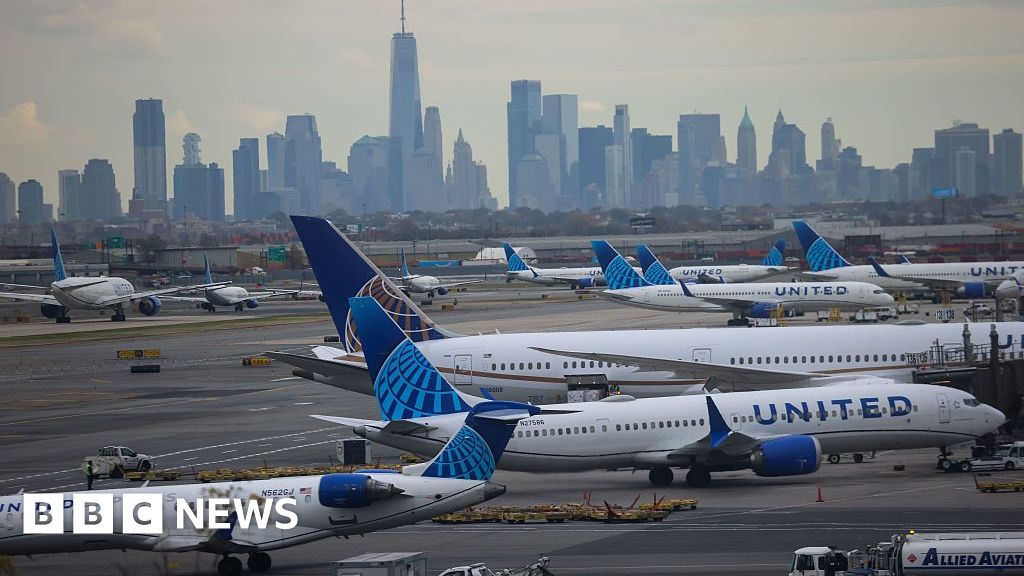
Amid a prolonged US federal government shutdown, officials have announced plans to reduce flight operations at 40 of the nation's busiest airports. This measure aims to alleviate pressure on air traffic control systems strained by staffing shortages caused by unpaid workers calling in sick or taking side jobs. The shutdown has led to the longest impasse in US history, with hundreds of thousands of federal employees remaining unpaid.
The Federal Aviation Administration (FAA) specified that the reductions would begin on Friday, starting with a 4% decrease in flight capacity, gradually increasing to 10% by November 14. Key airports affected include Hartsfield-Jackson Atlanta International, Dallas/Fort Worth International, and Denver International, among others. The reductions are part of an effort to manage the system's capacity amidst controller absences.
Airline Refund Policies and Customer Support
Major US airlines have assured passengers that they will be able to change or cancel their flights without penalty. United Airlines' CEO Scott Kirby stated that customers can receive refunds even if they do not cancel their flights, including those holding non-refundable tickets. Similar policies have been adopted by Delta Airlines, American Airlines, and Southwest Airlines, offering flexible rebooking and refund options during this period.
While the cancellations are scheduled to begin this Friday, the impact on passengers is expected to grow as the reductions increase over the coming days. The FAA has provided a full list of affected airports, which includes the busiest in the world, such as Atlanta, Chicago, Los Angeles, and New York. Travelers are advised to stay in close contact with airlines regarding their flight options and refund procedures.

