

Air Italy no longer flies. It stopped in 2020. Read its story
Quick verdict
Ultimately, Corendon Airlines and Air Italy represent two very different approaches to the aviation market. Corendon Airlines, as a leisure-focused carrier, is ideal for travelers prioritizing direct routes to popular holiday destinations at competitive prices. Its no-frills model is transparent, catering to those who prefer to pay only for the services they actively choose, making it a strong contender for budget-conscious vacationers. Air Italy, while no longer operational, was a choice for those seeking a more traditional, full-service experience. Its offering would have appealed to travelers looking for a wider range of amenities, potentially more comfortable seating, and a broader network that included intercontinental routes. For those who value a comprehensive service package and connections to global destinations, Air Italy aimed to provide that value. In essence, for the traveler focused purely on getting to a sunny beach without breaking the bank, Corendon Airlines presents a compelling option. For those who prioritize comfort, a wider network, and a more inclusive experience, Air Italy, in its time, would have been the preferred, albeit ultimately unsustainable, choice.
At a glance
Search your flight
Today, we're diving into a comparison of two airlines that, at first glance, might seem quite similar due to their regional focus: Corendon Airlines and Air Italy. Corendon, a Turkish airline, has built its business on leisure travel, primarily serving holiday destinations out of various European markets. Air Italy, on the other hand, was an Italian airline that aimed to be a full-service carrier, offering both short-haul and long-haul routes from its primary hub in Milan. While both aimed to transport passengers, their operational models, target markets, and ultimately, their longevity, present a fascinating study in airline strategy. Our comparison will explore their respective approaches to service, pricing, and overall passenger experience, highlighting the distinct niches they carved out. Understanding these differences is key to appreciating why certain airlines thrive and others face significant challenges.
About Corendon Airlines Read more
Overview
Corendon Airlines (legally Turistik Hava Taşımacılık A.Ş.) is a Turkish leisure airline. According to Wikipedia, it was founded in 2004, began flying in 2005 and is a subsidiary of Corendon Tourism Group. It is headquartered in Antalya. It belongs to no global alliance. Sister carriers are Corendon Dutch Airlines and Corendon Airlines Europe.
Network and hubs
The airline flies scheduled and charter services to more than 140 destinations in Europe, the Middle East and North Africa. Its hubs are Antalya and İzmir Adnan Menderes, and it also has a base at Ankara Esenboğa. Most traffic is holiday flying between Turkey and European cities. It has also kept flying to Russia, including charters from Perm to Antalya announced for May 2024.
Fleet
The fleet is all Boeing 737. The Wikipedia fleet table lists 9 Boeing 737-800 and 6 Boeing 737 MAX 8, 15 aircraft in total, while Plane Finder lists 14. Counts differ between sources and change often. In September 2026, FlightGlobal reported that the Corendon group would cut its fleet from 30 to 21 aircraft this winter because of high fuel costs. Capacity and schedules may therefore be smaller than in summer.
On board
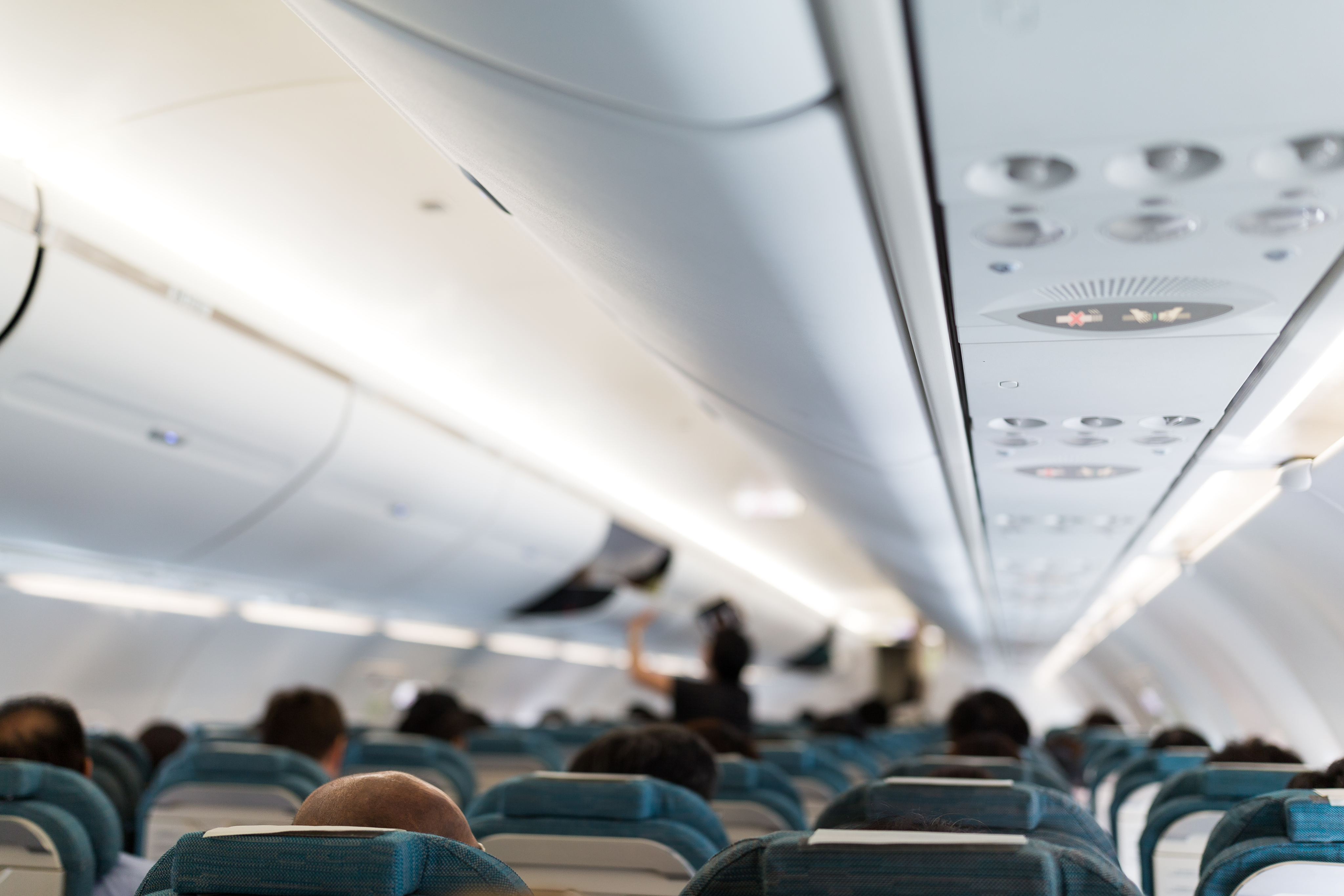
All aircraft are single-class economy. The 737-800 has 189 seats in a 3-3 layout with a pitch of about 30 inches, according to Seatlink. Kayak says there are no power sockets or Wi-Fi. Meals are generally an extra, except on the Premium fare, which includes a hot meal or snacks. Seats and meals can be pre-selected for a fee on lower fares.
Good to know
- Fares: the branded fares are Lite, Eco, Flex and Premium (All Inclusive). Premium includes a 30 kg bag, seat selection, priority boarding and flexible changes or refunds.
- Cabin baggage: the airline's baggage page allows one 10 kg bag and one 4 kg underseat bag on the Eco fare.
- Checked baggage: Flex includes 23 kg and Premium 30 kg. Extra baggage of up to 40 kg per person can be bought, and no single piece may exceed 32 kg.
- Extras: the additional services page lists seat selection, meals, priority check-in and boarding, lounge access, pets in cabin and sports equipment.
- Safety: Wikipedia lists a 2012 cockpit fire during pushback at Antalya, with injuries during the evacuation, and a 2024 bird-strike engine failure that ended in an emergency landing at Frankfurt.
About Air Italy Read more
Global Network and Operations
-
Air Italy operated a strategic European and international network focused on connecting Italy with key destinations across Europe, Africa, Asia, and North America. Before ceasing operations, the fleet consisted of approximately 12 aircraft, mainly Boeing 737-800s and Boeing 737 MAX 8s for short and medium-haul, and Boeing 787 Dreamliners for long-haul flights. The airline’s main base was Milan Malpensa Airport, serving both business and leisure travelers.
- Focused on primary Italian hubs: Milan Malpensa and Rome Fiumicino.
- Operated key routes linking Italy to the Middle East, North America, India, and holiday destinations in Europe and Africa.
- Positioned as a challenger to legacy carriers by offering competitive fares paired with full-service amenities.
Innovation and Milestones
-
Air Italy was notable for its modernization and attempts at strategic growth in the competitive Italian market:
- Became the Italian flag carrier after Alitalia’s restructuring challenges.
- Introduced Boeing 787 Dreamliners to its long-haul fleet, enhancing passenger comfort and fuel efficiency.
- Adopted a hybrid business model combining low-cost fare structures with full-service offerings.
- Launched expanded routes towards North America and India, increasing Italy’s connectivity.
Customer Experience and Recognition
Air Italy provided a three-class cabin service on long-haul flights (Business, Premium Economy, Economy) with ergonomically designed seats and inflight entertainment systems. The airline was appreciated for its customer service quality, modern cabin interiors, and competitive pricing. Although it was a relatively young carrier, it received positive passenger feedback for reliability and onboard experience.
Future Outlook
Although Air Italy ceased operations in 2020 due to financial difficulties exacerbated by the global pandemic, its brand and strategic approach influenced Italy’s aviation market. The model of combining competitive pricing with a full-service product informed future Italian carriers’ strategies. Potential revival or rebranding efforts remain topics of industry speculation.
Related airline comparisons


Compare the airlines
Compare two airlines side-by-side to see the real difference
We use cookies to keep the site working, understand how it is used, and show relevant content and ads. Choose Accept all to allow them, or Reject all to keep only the cookies the site needs. Read more in our Privacy Policy.