The latest industry updates reveal significant progress in aviation safety measures, space exploration, and airport management. Discussions around ADS-B/In technology underscore its critical role in preventing collisions and enhancing situational awareness among aircraft in controlled airspace. Meanwhile, NASA has announced reforms to its Artemis lunar program, canceling costly projects like the Exploration Upper Stage and the Lunar Gateway to focus on more achievable objectives with increased launch frequency using existing infrastructure. Additionally, recent incidents have exposed communication gaps between the FAA and military agencies, emphasizing the need for better coordination to prevent hazards such as laser incidents near El Paso Airport and airspace closures.
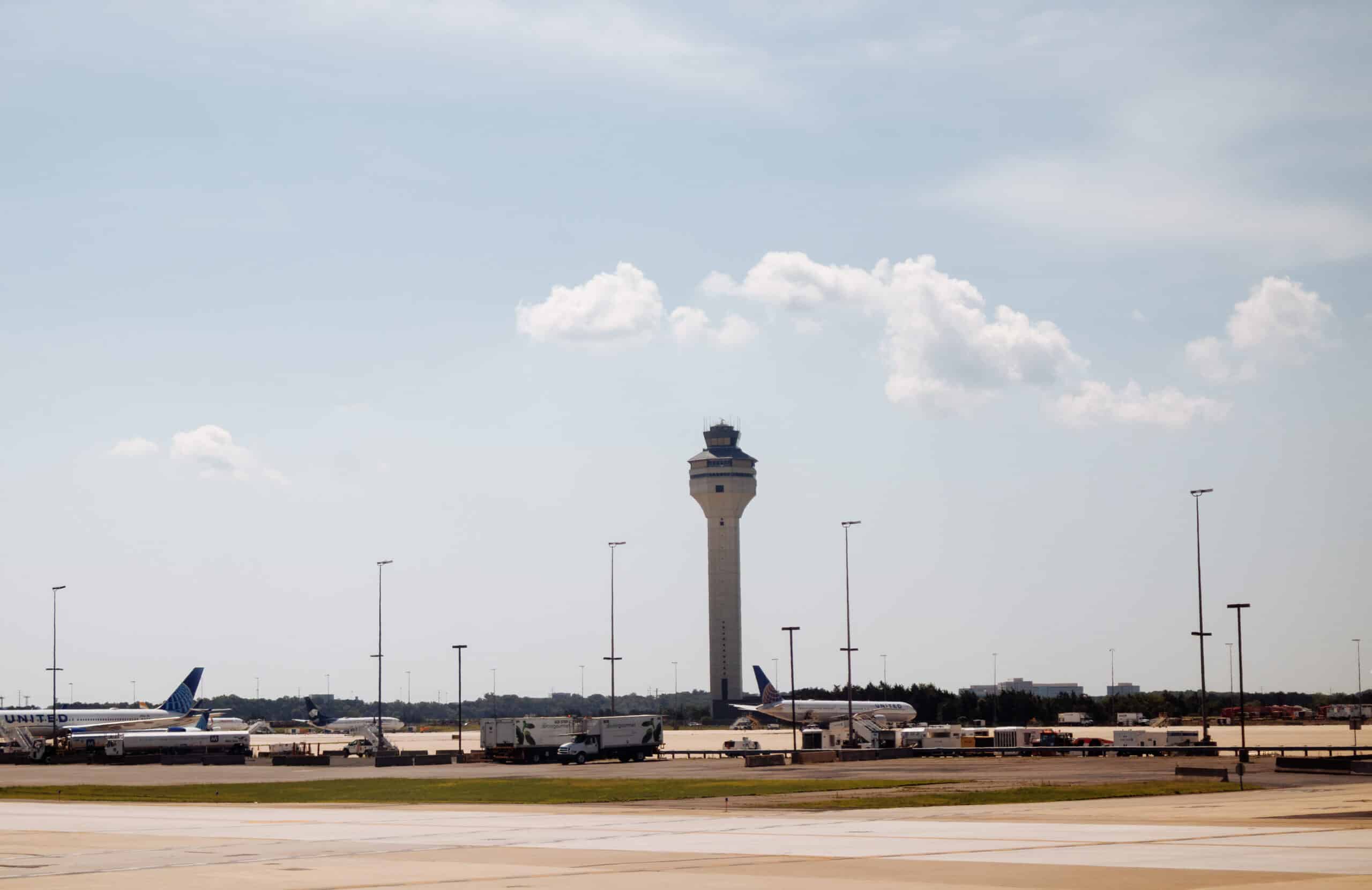
Airport modernization continues with the rollout of electronic flight strips at Reagan National Airport, promising improved efficiency for air traffic controllers. In the broader context, private security screening models in Canada demonstrate cost-effective alternatives to federal systems, potentially offering lessons for the United States. Other notable developments include a proposal to expand McKinney’s general aviation airport into a third commercial hub in the Dallas-Fort Worth area, and ongoing privatization efforts for Indian airports such as Bangalore International.
Space activities are also evolving, with China recovering its Long March-10 booster after successful orbital launches, and SpaceX developing Stargaze, a system for space traffic management. Meanwhile, aviation companies like AutoFlight are showcasing innovative eVTOL aircraft designed for regional shuttles, aiming to revolutionize urban and regional transit. At the same time, legal and regulatory efforts are underway to address flight caps, manage noise and environmental impacts, and optimize security procedures at major airports across Europe and the US.
Overall, these updates reflect a dynamic period for aviation and space industries, focusing on safety, cost-efficiency, technological innovation, and improved coordination to support future growth and resilience.

